
Spotting Wildlife on Early Morning Suffolk Heathland Walks

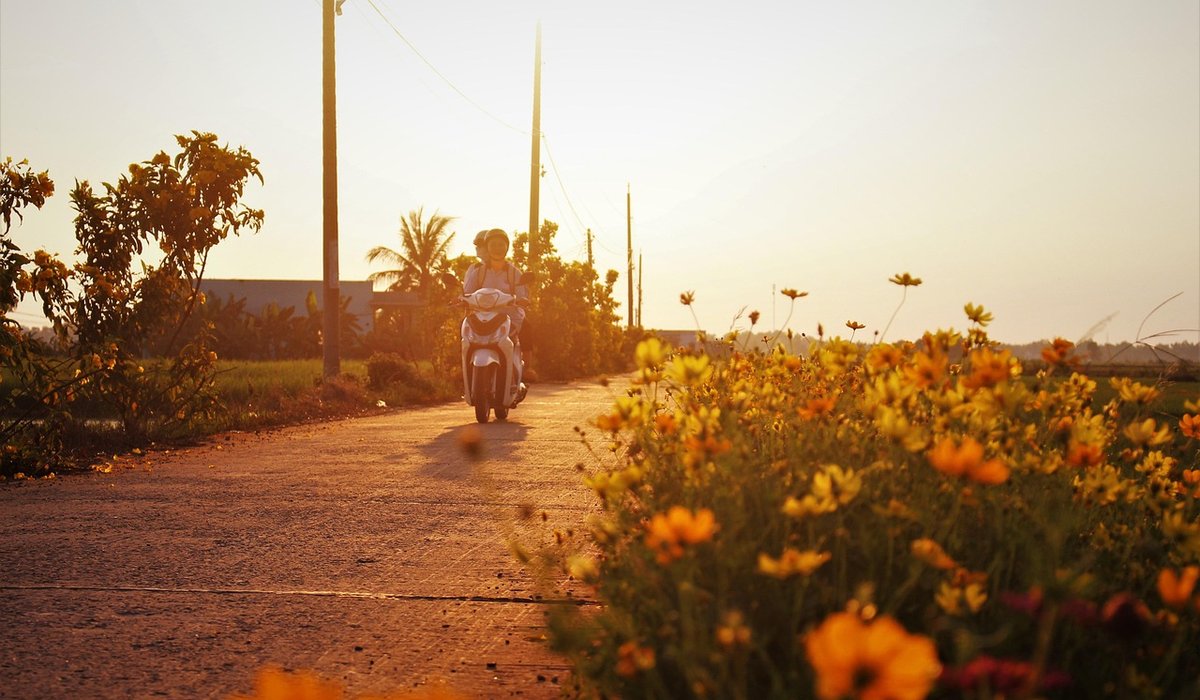
The quiet hour before the world wakes
Suffolk's heathland is at its best before most people have thought about breakfast. Lowland heath is a rare and fragile habitat — sandy, hungry soil, kept open by grazing and cutting — and it rewards an early start more than almost anywhere else in the county. Arrive 30 to 40 minutes before sunrise, while it is still dim enough to need your headlights, and you will hear the place rather than simply look at it.
The reward is twofold. First, the birds: heathland dawn choruses are sparse but distinctive, and species you will struggle to find elsewhere sing openly in the half-light. Second, the atmosphere. Mist sitting in the hollows, gorse still wet, the first warmth on your back as you turn for home. It is a gentle sort of adventure, and it costs nothing but an early alarm.
What to wear and what to carry
Heathland looks benign and is not quite. The ground is sandy and often uneven, the gorse is unforgiving, and the dew will soak anything fabric-based within twenty minutes. Dress for a wet spring morning even in July.
- Footwear: waterproof boots with decent tread. Trail shoes are fine in a dry August, but heather and bracken hide roots and old rabbit holes.
- Layers: a thin base layer, a fleece, and a windproof shell. Temperatures on open heath can sit several degrees below the nearest town.
- Binoculars: 8x42 is the sensible compromise — light enough to carry for two hours, bright enough at dawn.
- A flask. Tea, coffee, whatever you like. It is the single thing that makes a chilly six o'clock feel like a treat rather than a chore.
- A small torch for the first stretch, ideally with a red filter so you do not dazzle anything you meet.
- Midgie repellent in still, humid conditions, and long sleeves if the insects are bad.
Leave the headphones at home. This is a walk that depends entirely on your ears.
Listening for woodlarks
The woodlark is the emblem of these walks. It is a small, streaky, thoroughly unremarkable-looking bird with one of the loveliest songs in Britain: a clear, fluty, descending phrase, often written as lulu-lulu-lulu, delivered in a wide, fluttering song flight above open ground. Listen for it in the first hour of daylight from March through to July, when it circles upward and then parachutes back to earth.
Woodlarks like short, grazed turf with bare patches and scattered perches, so scan the ground between the heather clumps as well as the sky. A few other voices to know:
- Skylark: an unbroken, tumbling torrent of song, much longer and more frantic than the woodlark's short phrases.
- Stonechat: a sharp, pebble-on-pebble tack-tack from the top of a gorse bush.
- Dartford warbler: a scratchy, scolding burst from deep inside mature gorse — heard far more often than seen.
- Yellowhammer: the familiar "little bit of bread and no cheese" from the hedgerow edges.
- Nightjar: not a morning bird, but worth returning for at dusk in late May and June, when it churrs from the pine belt.
Walk ten paces, then stand still for a full minute. Most people rush the listening part and miss three-quarters of what is there.
Deer at the treeline
Roe deer are the most likely sighting, and the edges are where to find them: the boundary between open heath and birch scrub, or where bracken meets the first pines. Muntjac are common too and often heard before they are seen, barking like a small, indignant dog. In some of the larger sandy forests you may catch red deer moving back into cover after a night on the open ground.
A few practical points make a real difference:
- Keep the wind in your face. Deer rely on scent far more than sight. Approaching downwind is the whole game.
- Use gorse and pine as cover and move slowly, stopping often. Sudden movement at the edge of a deer's vision sends them instantly.
- Pick a seat and wait. Twenty minutes of stillness from one spot will show you more than an hour of walking.
- Never approach or feed. Watch, enjoy, and leave them to their morning.
- Dogs on leads between March and September, when ground-nesting birds are vulnerable and adders may be basking on the warm sand.
The light that makes it feel peaceful
Heathland light in the early morning is soft, low and slightly hazy, and it does something particular to the colours — the purple of heather, the acid yellow of gorse flowers, the grey-green of pine all sit together kindly instead of shouting. Mist often lies in the dips, catching the sun and burning off by eight. There is a scent too: coconut from the gorse, resin from the pines, and damp sand after overnight dew.
It is worth putting the binoculars down for ten minutes simply to stand and take it in. That, more than any checklist of species, is what people come back for.
Coming home to simple comforts
The other half of an early walk is the return. Boots off at the door, damp coat on the hook, kettle on. If you have a woodburner, a small fire laid the night before makes the whole morning feel planned rather than accidental. Toast, strong tea, and a window open just enough to hear the garden waking up.
Keep a notebook by the door and jot down what you heard and where. Over a season you will build a genuinely useful picture of your local heath — which paths the woodlarks favour, where the deer cross, when the nightjars arrive. It is a slow, quiet hobby, and all the better for it.

Joeby Ragpa
This template is so awesome. I didn’t expect so many features inside. E-commerce pages are very useful, you can launch your online store in few seconds. I will rate 5 stars.
ReplyAlexander Samokhin
This template is so awesome. I didn’t expect so many features inside. E-commerce pages are very useful, you can launch your online store in few seconds. I will rate 5 stars.
ReplyChris Root
This template is so awesome. I didn’t expect so many features inside. E-commerce pages are very useful, you can launch your online store in few seconds. I will rate 5 stars.
Reply